Two mountains, two ways of seeing the county
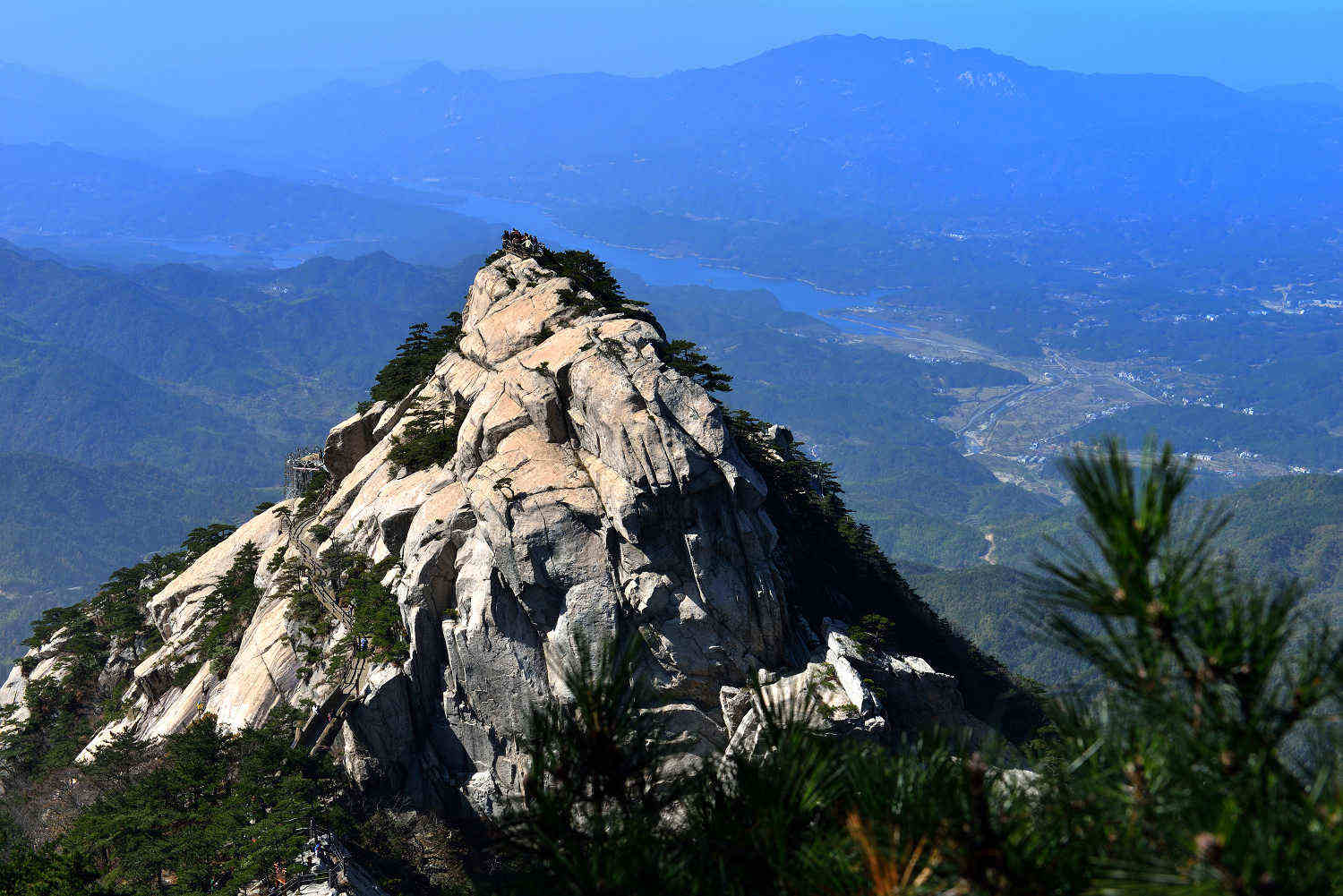
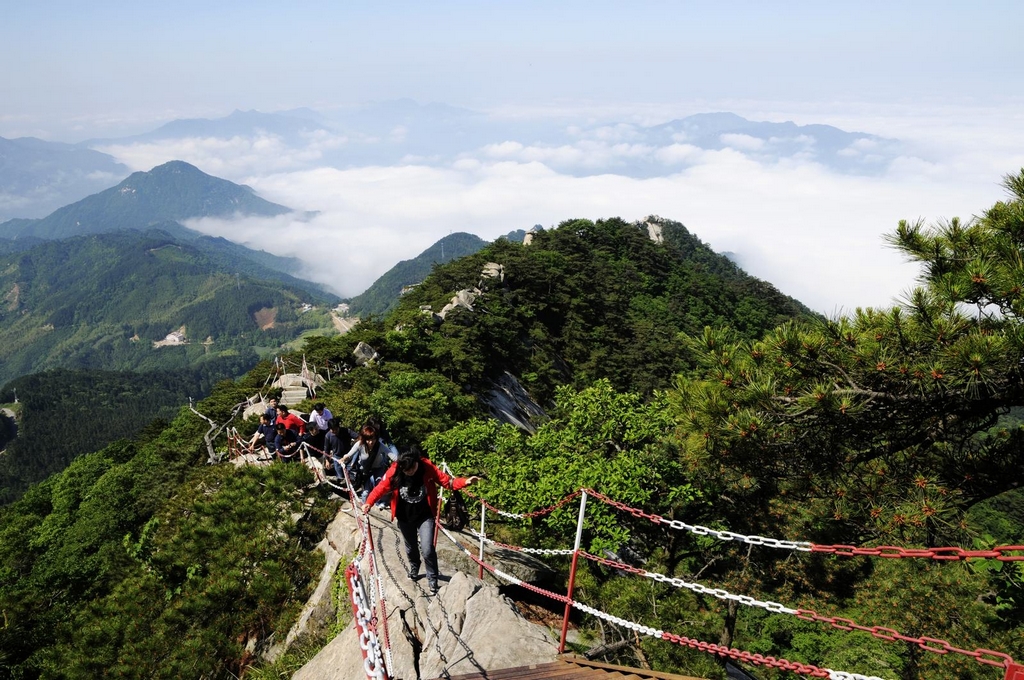
Tiantangzhai and Bodaofeng are often placed next to each other in a Luotian itinerary, but they should not be treated as duplicate viewpoints. Tiantangzhai is shaped by forest, ridges, cloud and the sense of moving through a large mountain system. Bodaofeng has a more open, sculpted character: pines, rock, wind and long views become the subject. The difference matters when the visitor is travelling after medical care. A person may enjoy a short forest walk but find exposed steps tiring, or prefer a viewpoint with a quiet tea stop rather than a long ridge route.
The right order depends on the season, weather, current access and the patient’s energy. We usually begin with the clinical appointment and a realistic conversation about walking, stairs, balance, sleep and medication. Only then do we decide whether the mountains belong in the trip, which one should come first and what the alternative will be if rain or fatigue changes the plan.
Planning Tiantangzhai without overloading the day
A good Tiantangzhai day is not measured by trail kilometres. It might include a scenic transfer, one accessible or manageable viewpoint, a slow lunch and enough time to return before the visitor becomes exhausted. Ropeway or shuttle options, where available and operating, may reduce the initial climb, but they do not remove the need to consider steps, queues, uneven ground and the walk from one viewing area to another.
Bring water, a light layer, rain protection and shoes with a secure sole. Mountain weather changes faster than a city forecast suggests. Build in sitting points and do not let a beautiful cloud break persuade a recovering traveller to continue beyond the agreed limit. The companion’s job is not to encourage one more summit photograph; it is to notice the early signs of fatigue and make the return easy.
Bodaofeng as a shorter, more open alternative
Bodaofeng works well as a separate day or as an alternative when the group wants open scenery without repeating the Tiantangzhai experience. The route should be checked locally for the current entrance, transport, steps, weather exposure and rest facilities. Its narrow rocky ridges can be striking in photographs, but they are not automatically a gentle walking option: choose the actual route around the visitor's ability.
For a family group, a split plan is often practical. One or two companions can take a longer viewpoint route while the patient rests at a selected stop or returns to the homestay. This is not a compromise to apologise for. It allows each person to enjoy the county at a safe pace and keeps the mountain from becoming another appointment with a deadline.
The homestay is part of the itinerary, not just a bed
A mountain homestay changes the rhythm of the visit. Breakfast may be simple and local; the balcony may look over a valley; the host may know which road is quiet after rain. These details can be valuable for someone who needs sleep, a slower morning or a place where companions can spend time without constant transport. They also need to be checked in advance.
Ask about stairs, bathroom thresholds, handrails, heating, air-conditioning, mattress firmness, night lighting, parking distance and whether a ground-floor room is available. Confirm dietary requirements before arrival. A homestay can be warm and personal, but it is not a medical facility. If the visitor needs observation or urgent access to care, stay closer to the appropriate hospital and use a rural stay only when the clinical situation is stable.
Luotian diaoguo: a hanging pot above the fire
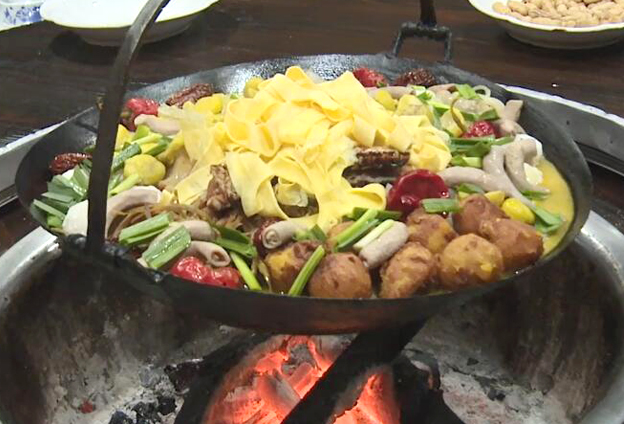
After the mountains, make room for Luotian's signature diaoguo. The iron pot hangs above the hearth rather than sitting on a tabletop burner. Around it, diners share a simmering meal and the warmth of the fire. Cured pork, pork trotter, radish, tofu, kelp, fish balls and meat cake feature in traditional preparations, while the combination varies by kitchen and season. Chestnuts and other local dishes can accompany the meal, but the hanging pot is the centrepiece.
The menu is not a fixed tourist prop. It changes with the season, the household and the market. Tell the host about allergies, vegetarian or halal requirements, diabetes, swallowing difficulty or a low-salt diet. A translated food card is useful for serious allergies. Patients should follow the advice of their own clinicians and choose a smaller, simpler meal when a treatment or long vehicle journey has left them tired.
The nicest meal is often not the largest one. A few local dishes, a cup of tea and an early night may serve a recovering guest better than a banquet followed by another transfer. Companions can enjoy the full range of local food while the patient has a suitable portion. That flexibility is one of the reasons a private or family-style itinerary works better than a rigid group tour.
A recovery-friendly version of the journey
After a hospital consultation, rehabilitation session or traditional medicine appointment, a visitor may want to change scenery immediately. Sometimes that is reasonable; sometimes the body needs a quiet room, a meal and sleep. We use the doctor’s advice, the person’s current symptoms and the practical route to decide. If there is fresh surgery, fever, uncontrolled pain, new weakness, significant dizziness, an open wound or a high fall risk, the mountain plan should be postponed or redesigned.
When the visit is suitable, the itinerary can include short walks, gentle breathing or Taiji practice if the clinician agrees, a village meal, photography from safe viewpoints and rest periods. No landscape is sold as a treatment. Luotian’s value is that it offers a slower setting in which a person can recover attention, spend time with family and experience a part of Hubei beyond the hospital.
A practical two-day version might place the clinical appointment and a quiet evening first, Tiantangzhai on the following morning if the visitor feels well, and Bodaofeng or a village meal only as an optional later day. Another visitor may be better served by one mountain and more time in Jiuzihe. The itinerary is successful when the person returns home with good memories and useful clinical information, not when every available attraction has been crossed off.
For photography, carry a phone or camera with enough battery, but keep the equipment light. A tripod or large bag can turn a short walk into unnecessary strain. Ask before photographing local residents, homestay interiors or religious and community spaces. A few respectful images, taken with time to look, usually tell a truer story of Luotian than a hurried collection of identical summit shots.