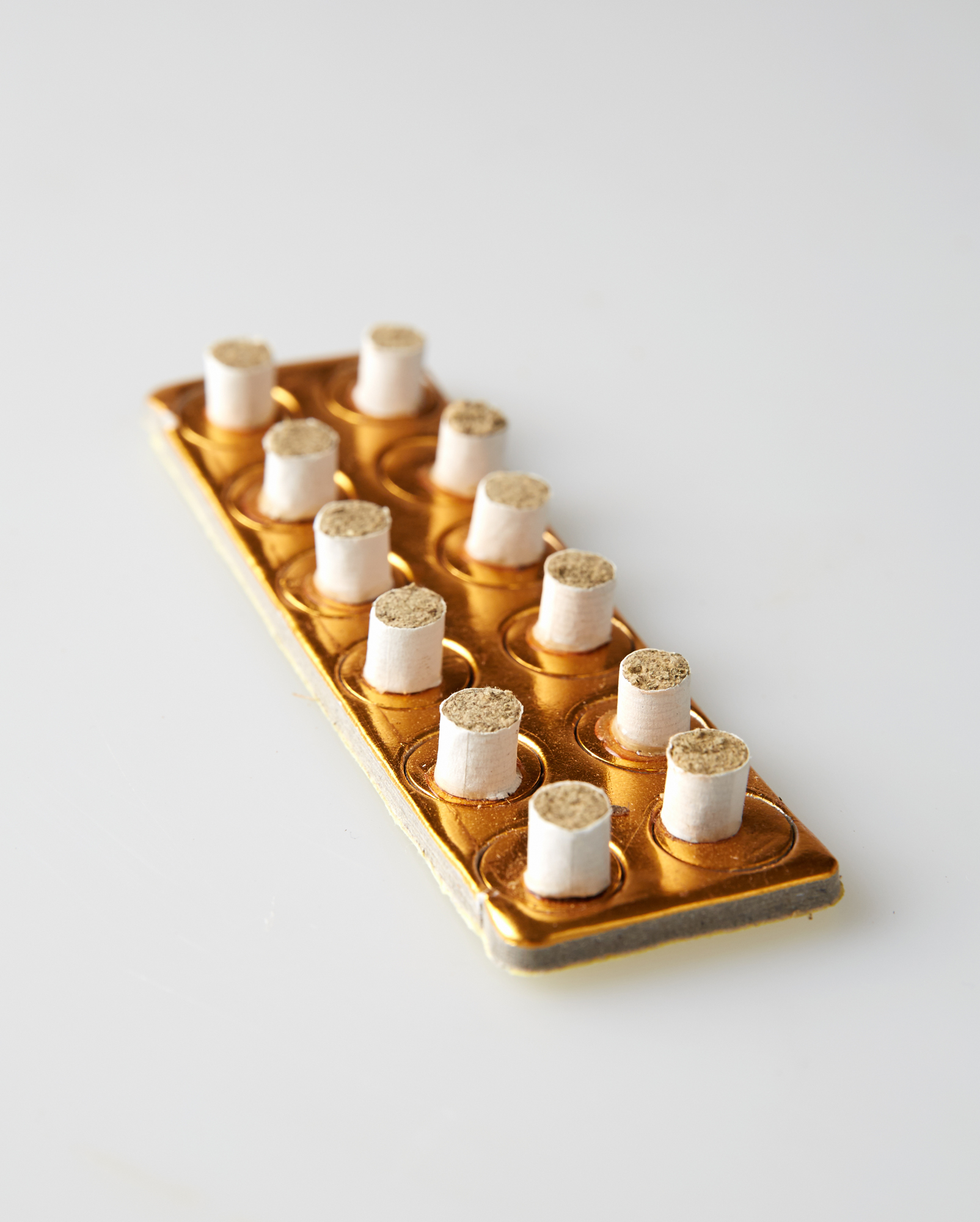

Moxibustion is a heat treatment that needs careful control
Moxibustion, or moxa treatment, uses the controlled warmth of burning dried mugwort near selected points or areas of the body. Depending on the method, the moxa may be held above the skin, placed on a protective medium, attached to a needle or used in another indirect form. These methods should not be treated as interchangeable. Before the session begins, the practitioner should tell you which method is proposed, how close the heat will be, how long it will last and how the skin will be checked.
The familiar smell of moxa is part of the experience, but it is not a guarantee that the treatment is suitable or effective. A professional room should have reasonable ventilation, a safe way to handle ash and a plan for extinguishing the material. The patient must be able to speak up or signal immediately. Warmth is expected; a burning sensation, sharp pain, blistering or the feeling that the heat cannot be controlled is not something to endure quietly.
What to discuss before the first session
Tell the practitioner if you have diabetes, reduced temperature sensation, neuropathy, fragile skin, eczema, an active skin infection, a history of burns, asthma or sensitivity to smoke. Also disclose pregnancy or possible pregnancy, bleeding problems, anticoagulant medication, allergies, recent surgery and any wound or dressing. People who cannot reliably feel heat may not notice a burn early enough, so a different approach may be safer.
Ask whether the treatment will produce smoke and what ventilation is available. If you have asthma or another breathing condition, ask for a clear plan rather than assuming a window will be enough. If the clinic offers a smokeless alternative, understand that a different device or heating method is not automatically the same treatment. The important point is informed consent: you should know what will touch or heat your skin and what sensations to expect.
A realistic appointment flow
The practitioner should begin by reviewing your reason for seeking care and any relevant records. The treatment area should be exposed only as much as necessary, with appropriate privacy and draping. The skin should be observed before and during the session. Some practitioners use their hand to judge warmth, but the patient’s report remains essential; you should never be told that pain proves the heat is working.
During treatment, say ‘stop’ if the heat becomes uncomfortable, if smoke irritates your eyes or throat, or if you feel faint, nauseated or unwell. A well-managed session can be adjusted or ended without embarrassment. Afterward, ask the practitioner to inspect the skin and explain what mild redness is expected, how to keep the area clean and when to seek advice. Written instructions in a language you understand are especially useful when you are travelling.
Where moxibustion fits—and where it does not
Moxibustion may be offered as part of a wider traditional medicine or rehabilitation plan for pain, stiffness, recovery, sleep or other concerns. The appropriate plan depends on an assessment and on the patient’s existing care. It should not be used to postpone urgent evaluation of chest pain, sudden weakness, severe infection, a high fever, a new neurological deficit or unexplained severe pain. Heat cannot replace imaging, blood tests, medication review or specialist assessment when those are needed.
Be cautious with fixed promises such as ‘one session removes the root cause’ or packages that do not allow a clinician to review your response. A careful practitioner should be willing to say that moxa is not appropriate today, that another treatment should come first, or that you should return to your local doctor. These decisions are signs of responsible care, not a failure of the service.
Planning a visit from overseas
Before you travel, send a short medical summary, medication list, allergies, relevant imaging and the questions you want answered. We can translate and format these documents, clarify the proposed treatment, arrange an appointment and accompany you if needed. If you are also planning a mountain stay in Luotian, the order matters: allow time for the consultation first, and do not schedule a long hike immediately after a treatment until the clinician has explained what is sensible.
Our role is coordination, translation and practical support. The practitioner decides whether moxibustion is indicated, how it will be delivered and what follow-up is necessary. A trustworthy visit gives you a clear explanation of heat, smoke, skin safety and alternatives. It does not rely on dramatic photographs or claims that every symptom has the same traditional solution.
Visitors should also ask about smoke alarms, ventilation and the clinic’s response if clothing, hair or bedding comes too close to the heat source. Long hair should be secured, loose clothing kept away from the treatment area and combustible materials removed from the working space. These are ordinary precautions, but they are useful indicators that the clinic treats heat as a clinical tool rather than a theatrical prop.
If a visitor is combining moxibustion with acupuncture, medication, physiotherapy or a recent operation, the providers should know about one another. Give the same history to each service and keep a simple record of dates and reactions. That makes it easier to identify whether redness, fatigue or a change in symptoms followed the heat treatment, another procedure or the journey itself.
A patient can decline smoke, direct heat or any method that was not discussed in advance. If the proposed technique changes during the appointment, pause and ask for a new explanation. Consent to one form of moxa is not blanket consent to every heat-based procedure.
The smell and warmth can be pleasant for one person and overwhelming for another. It is acceptable to ask for a shorter trial, additional ventilation or a different appointment time. If the clinic cannot make those adjustments, the visitor has learned something important before committing to a course of treatment.
A visitor should leave with more than a pleasant impression of warmth. Ask for the name of the treatment, the area treated and the planned review point. If the goal is sleep, pain, stiffness or recovery, decide in advance what you will observe over the next twenty-four to forty-eight hours. A simple note about sleep, skin response, pain level and energy is more useful than relying on memory. It also gives the practitioner something concrete to discuss at the next appointment.
When travel is involved, remember that smoke, heat and a long car journey can compound fatigue. Give yourself time to sit, eat and drink after the session. If you plan a visit to Tiantangzhai or Bodaofeng, schedule it for a later period rather than treating the treatment room and the mountain trail as one continuous activity. The itinerary should make it easy to change plans if the body needs rest.