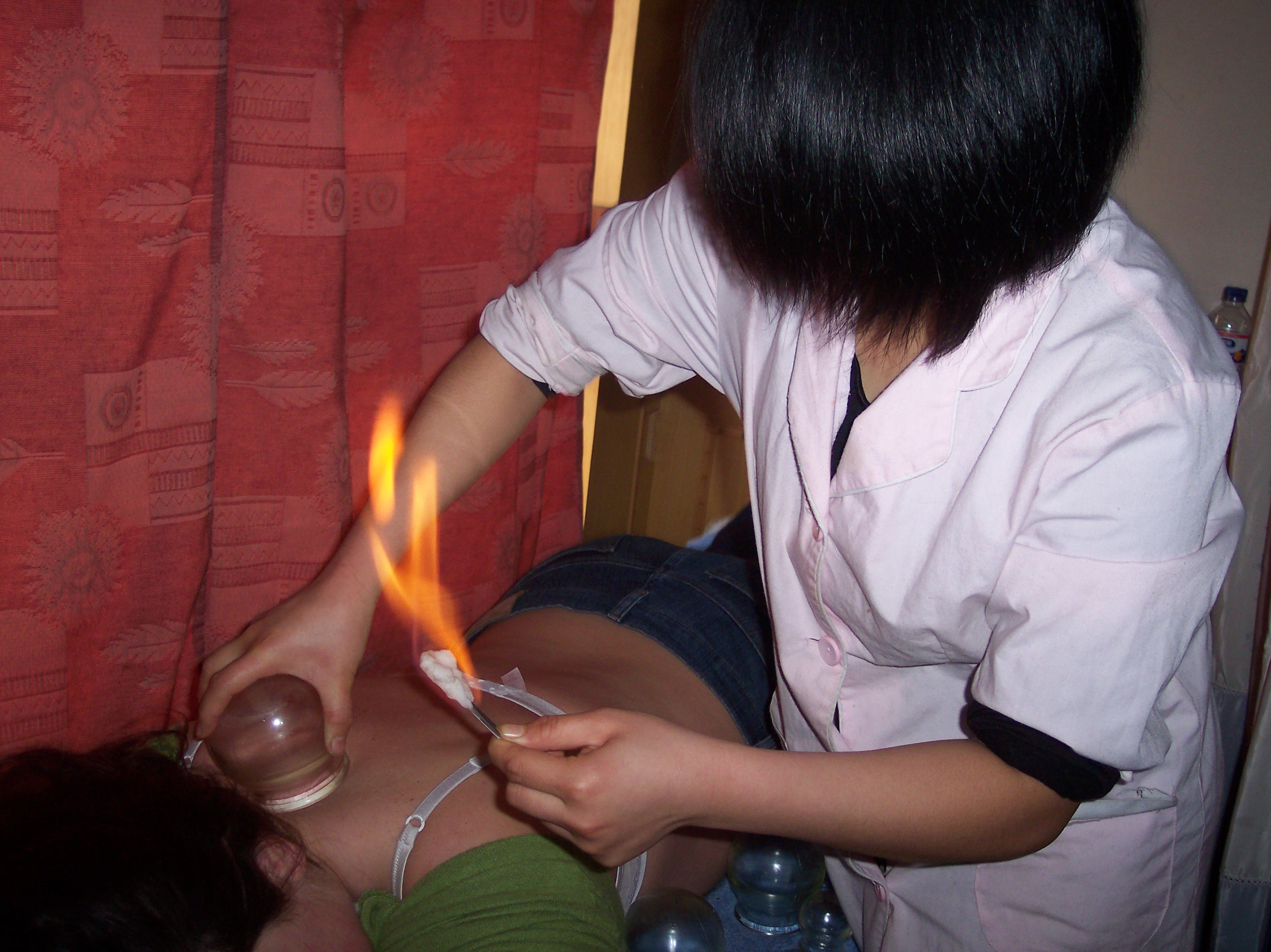

Cupping is a group of techniques, not one single procedure
Cupping uses cups to create local suction on the skin. In dry cupping, the cups remain in place for a period of time or are moved with oil. In wet cupping, the skin is punctured and a small amount of blood is drawn into the cup. These are different procedures with different hygiene, bleeding and aftercare considerations. A patient should never agree to ‘cupping’ without asking which technique is planned.
The round marks seen after dry cupping are caused by changes in local blood flow and pressure. They may be pink, red, purple or brown, and their intensity varies with skin type, suction, duration and individual response. The marks usually fade, but the patient should be told that they may be visible for days. The appearance is not a reliable measure of benefit, and a darker mark does not mean that more illness has been removed.
What good preparation looks like
A careful practitioner checks the skin and asks about your medical history before selecting an area. Tell them about anticoagulants or antiplatelet medicines, a bleeding disorder, low platelets, fragile skin, eczema, psoriasis, active infection, unexplained bruising, diabetes, reduced sensation, pregnancy and recent surgery. Do not place cups over an open wound, fresh scar, inflamed skin, varicose veins or an area where sensation is impaired without professional assessment.
For wet cupping, ask how single-use lancets and other sharps are handled, how the skin is prepared, what protective equipment is used and how contaminated materials are discarded. Sterile, single-use equipment and a clean work surface are basic questions, not an insult to the practitioner. If a clinic is unwilling to explain infection-control arrangements, choose another provider.
During the session: communicate before the skin becomes damaged
Suction can feel tight, warm or pulling. It should not become intolerably painful. Tell the practitioner if a cup feels excessively hot, if the skin is pinched, if you feel dizzy or if you want the pressure reduced. Fire cupping requires particular attention to flame, alcohol and heat. The patient should not be left to guess whether a burning sensation is normal.
For wet cupping, bleeding should be controlled and the treatment area covered appropriately afterward. Do not accept pressure to continue because you have already paid or because a practitioner says discomfort proves the treatment is working. Consent can be withdrawn at any point. An interpreter or a pre-agreed stop signal makes that right easier to use when the patient does not speak Chinese.
Aftercare and when to seek advice
The clinic should explain how to care for the skin, when to shower, how to protect any small wound and which activities to avoid. Do not scratch, pick at blisters or apply an unlabelled substance to broken skin. Contact a clinician if you develop spreading redness, increasing warmth, pus, fever, persistent bleeding, a large blister, severe pain or a mark that is worsening rather than settling.
If you are travelling, keep the aftercare instructions and the name of the clinic in your phone. Tell your home clinician what was done, particularly if you take blood thinners or have a chronic illness. Cupping should be recorded as part of your health history in the same practical way as medication, injection or a procedure.
How we help an overseas visitor
We can collect your records, translate the questions you want to ask, explain the difference between dry and wet cupping, arrange an appointment and accompany you. We can also help you plan rest after treatment instead of sending you straight from a clinic to a strenuous mountain walk. We do not diagnose, choose a technique for you or guarantee a result; those decisions belong to the qualified practitioner after assessment.
The best cupping experience is not the most dramatic photograph. It is a clean, consent-based appointment in which you know what will happen, what marks may remain and what to do if your skin reacts. That standard is straightforward, and it is the same standard an international visitor should expect anywhere.
The location of the marks can matter socially as well as medically. A visitor may have work, swimming, photography or a formal event soon after treatment. Ask how long visible marks commonly remain and whether the proposed area can be changed. If a mark is important to your work or personal circumstances, that preference is part of informed consent, not a cosmetic detail to dismiss.
Avoid comparing photographs of cupping marks as if they were laboratory results. Skin colour, lighting, camera exposure and the amount of suction can make two ordinary reactions look completely different. The useful record is the technique, date, body area, skin response and aftercare—not how dramatic the circle appears in a picture.
If a clinic recommends wet cupping for a person who takes blood-thinning medicine or has a bleeding concern, ask what medical review supports that decision. Do not stop prescribed medication on your own in order to make a procedure possible. Medication changes belong to the clinician managing the condition.
A clinic should also explain whether exercise, bathing, swimming or massage should be delayed after the session. These instructions may vary with dry or wet cupping and with the condition of the skin. Write them down, because a traveller may be managing transport, translation and accommodation at the same time.
For an international visitor, the most important part of the appointment may be the explanation before the cups touch the skin. Ask the practitioner to show where the cups will be placed, how long they will remain, whether oil will be used and what the removal will feel like. Confirm whether the technique is dry, moving, fire-based or wet. If the answer is unclear, pause the appointment until the interpreter and practitioner have reached a shared understanding.
Cupping also needs to be placed in the wider care plan. Do not use it as a reason to delay an examination of unexplained bruising, swelling, severe pain, fever or a new neurological symptom. If you are recovering from surgery, the incision and surrounding skin may need protection even when the cup is not placed directly on the wound. A qualified clinician should decide whether the timing and location are suitable.