A session should begin with a conversation
Acupuncture is easy to misunderstand when it is presented only as a photograph of needles. In a well-run clinic, the needles are a small part of the visit. The first part is a clinical conversation: what has brought you to China, what symptoms are troubling you, how long they have been present, what investigations have already been completed, and what medicines or supplements you take. A practitioner may also ask about sleep, appetite, digestion, stress, previous operations and how the problem changes with movement or rest. These questions are not a substitute for a medical diagnosis; they help the practitioner decide whether acupuncture is appropriate and how it should fit alongside other care.
For an international visitor, the quality of the interpreter matters. A useful interpreter does not simply replace English words with Chinese words. They preserve the timing, severity and context of what you say. ‘A little numb after walking’ is different from ‘I cannot feel my foot’, and ‘occasional dizziness’ is different from fainting. Before the appointment, we can help organise reports, imaging summaries and a short symptom timeline so that the consultation starts with a clear picture rather than a hurried translation.
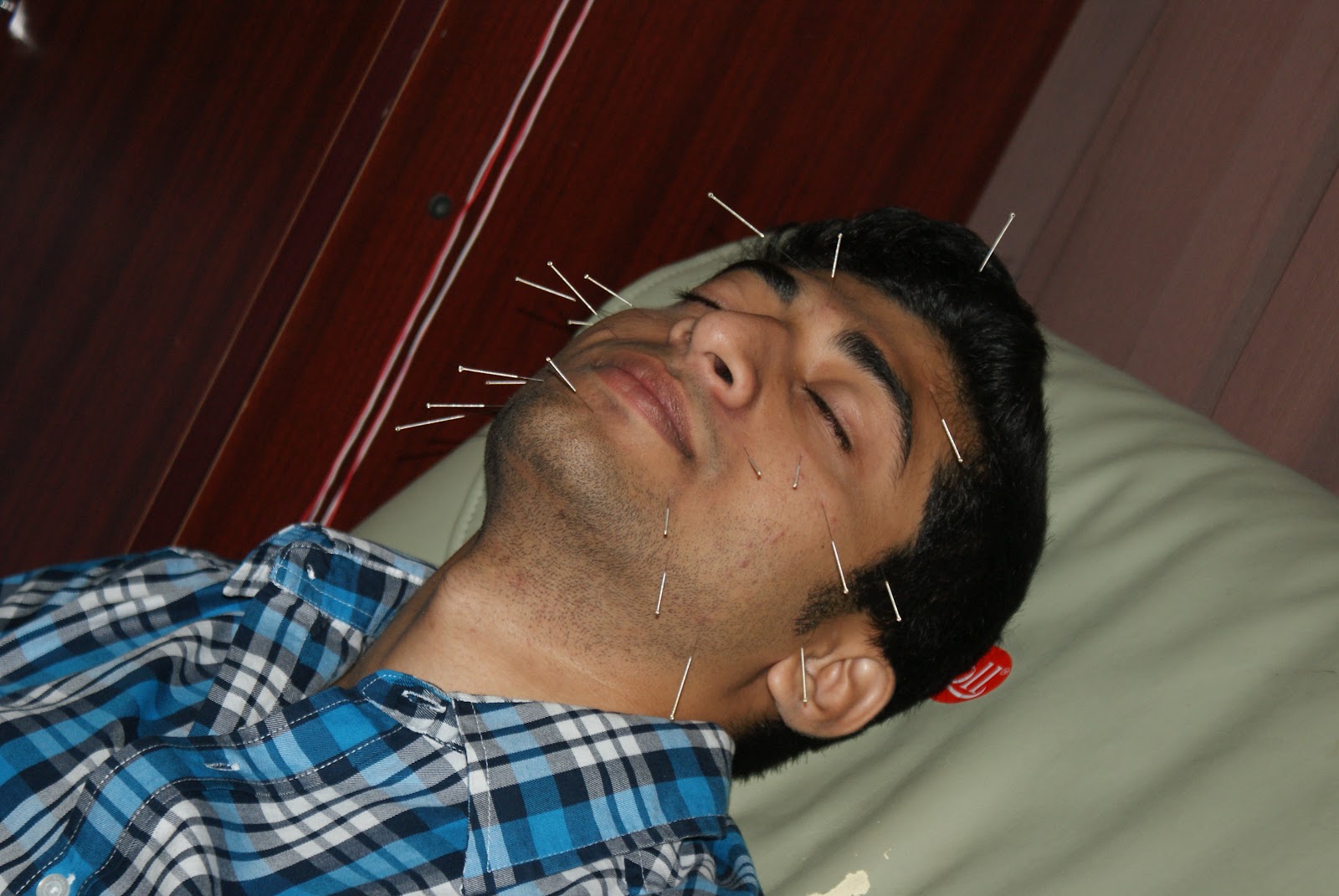
What happens when the needles are placed
After the assessment, the practitioner should explain the proposed points, the position you will be in and which part of the body needs to be uncovered. You should be able to ask for a same-gender practitioner, a chaperone or additional draping if that helps you feel comfortable. Needles used in a professional setting should be sterile and single-use. The skin should be inspected, and the practitioner should wash or sanitise their hands and follow appropriate infection-control practice.
The sensation is usually brief. Some people notice a tiny prick, followed by pressure, warmth, heaviness or a spreading ache. Others feel almost nothing. A sensation described in traditional practice as ‘de qi’ should not be confused with sharp, escalating pain. Tell the practitioner straight away if you feel burning, electric pain, marked discomfort, nausea, sweating, breathlessness, panic or dizziness. You do not need to prove that you can tolerate treatment. Consent continues throughout the session and you may ask for a needle to be removed at any time.
Information that should be disclosed before treatment
Bring a current list of prescription medicines, over-the-counter products and supplements. Mention pregnancy or the possibility of pregnancy, a bleeding disorder, low platelets, anticoagulant or antiplatelet medicines, a history of fainting, diabetes, reduced sensation, epilepsy, a pacemaker or other implanted device, skin infection, allergies and recent surgery. If you have had cancer treatment, joint replacement, spinal surgery or a procedure involving a wound, say so even if the treatment area is elsewhere.
Acupuncture should not delay urgent assessment. Sudden weakness, chest pain, severe shortness of breath, new confusion, a high fever, a serious injury or rapidly worsening neurological symptoms require appropriate emergency or specialist care. A responsible coordinator will not turn these symptoms into a sightseeing itinerary or promise that needles will solve them. The purpose of pre-visit screening is to identify what can be coordinated safely and what needs another route.
How many sessions are needed?
There is no honest universal package of six, ten or twelve sessions. The number and spacing of visits depend on the assessment, the patient’s goals, the response after each session and whether another treatment is taking place at the same time. A plan may be adjusted or stopped when the expected benefit is not appearing. For a visitor staying in China for only a few days, the most useful outcome may be a careful assessment, a first treatment if appropriate, clear aftercare and a written plan to discuss with a local clinician at home.
Ask what improvement will be monitored. Pain scores, walking distance, sleep continuity, range of movement or the ability to complete a daily task are more useful than a vague promise to ‘balance the body’. If a clinic cannot explain what it will review, how it will record progress or when it would refer you elsewhere, ask more questions before paying for a package.
Aftercare and our coordination role
Most people can return to ordinary activity after acupuncture, but it is sensible to stand slowly, drink water and allow time to notice how you feel before driving or climbing a long flight of stairs. Small spots of bleeding or temporary tenderness can occur. Seek medical advice if you develop persistent bleeding, spreading redness, fever, severe pain, fainting or any symptom that concerns you. Keep the practitioner’s written instructions and ask for them in English or another language you understand.
Our role is practical rather than diagnostic. We collect and organise records, translate questions and appointment information, arrange a visit with a suitable provider, accompany you when requested and help coordinate follow-up. The clinical decision remains with the licensed practitioner who examines you. A good international visit leaves you with understandable information, realistic expectations and a clear next step—not a sales script and a promise of a cure.
It is also reasonable to ask how the visit will be documented. Request the practitioner’s name, the date, the areas treated, the technique used and any advice given. If you will continue care at home, a short bilingual note can prevent the next clinician from having to reconstruct the appointment from memory. Keep the note with your other medical records, especially if the treatment is part of post-operative rehabilitation or a longer pain-management plan.
Some visitors arrive expecting a traditional consultation to look exactly like a hospital appointment in their home country, while others expect a ritual with no medical questions. Neither assumption is helpful. The practical middle ground is a respectful consultation in which traditional clinical reasoning and modern medical information can be discussed without hiding either one. Ask what the practitioner can assess, what they cannot assess, and what would lead them to recommend a different service.
A pre-travel video or written review can sometimes answer whether an in-person visit is worth arranging, but it should not be presented as a final diagnosis. Ask whether the clinic accepts translated records, what file formats are readable, how long review takes and whether the consultation fee includes an interpreter. Clear expectations before the flight are part of good care.